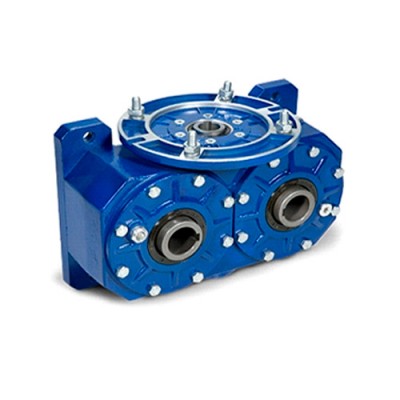
Не нашли нужное оборудование? Нажмите кнопку КОНСУЛЬТАЦИЯ и опишите, какое оборудование Вам необходимо.

300 7003 редуктор угловой: технические характеристики, особенности применения и альтернативные решения

Редуктор угловой 300 7003 represent a specialized gearbox designed for precise angular positioning in industrial applications. This equipment plays a crucial role in machinery requiring accurate rotation control, such as robotic arms, conveyor systems, and automated manufacturing lines. Understanding its specifications and operational nuances is essential for engineers and procurement specialists seeking reliable mechanical components.
Design and Construction Features
The 300 7003 angular reducer integrates a compact housing with precision-engineered gear trains. Its design minimizes space requirements while delivering high torque transmission. The unit typically incorporates hardened steel gears and sealed bearings to ensure longevity under continuous operation. Environmental protection ratings such as IP65 make it suitable for harsh industrial environments where dust and moisture pose challenges.
Mounting options include flange and foot configurations, allowing flexible integration into existing equipment. The input shaft accepts standard motor outputs, facilitating coupling with various drive systems. Output sections feature either solid or hollow shafts, enabling direct attachment of driven components or secondary power transmission.
Performance Parameters
Nominal output speeds range from 10 to 300 RPM, with torque capacities reaching 1500 Nm. The gear ratio typically falls between 3:1 and 15:1, providing the necessary reduction for high-torque applications. Efficiency ratings exceed 95%, reducing energy consumption and operational costs. Thermal management is achieved through optimized gear geometry and heat-dissipating housing materials.
- Rated input power: 0.5 to 3 kW
- Operating temperature range: -20°C to +80°C
- Lubrication: grease-filled sealed units
- Vibration resistance: meets ISO 10816 standards
Surface treatments such as anodizing or zinc plating enhance corrosion resistance. The compact profile allows installation in confined spaces without compromising performance. Users benefit from low maintenance requirements due to the sealed bearing system and long-lasting lubrication design.
Industrial Applications
In the textile industry, these reducers control fabric tensioning systems and weaving looms. Packaging facilities employ them for lid closing mechanisms and product orientation stations. Agricultural machinery uses angle reducers for combine harvester adjustments and hay baler operations. CNC machining centers integrate similar units for tool positioning and spindle speed variation.
Automation systems rely on 300 7003 models for precise conveyor belt tracking and turntable rotation. Medical equipment incorporates these components in patient handling devices and diagnostic imaging tables. The consistent speed control and high overload capacity make them ideal for intermittent duty cycles common in many production environments.
Installation and Maintenance
Proper alignment during installation prevents premature wear and vibration issues. Coupling selection should account for misalignment tolerance and shock load absorption. Regular inspection intervals, typically quarterly, ensure optimal operation. Checking lubrication condition and bearing noise helps identify potential problems before failure occurs.
Replacement intervals depend on operating conditions, with some units lasting over a decade under ideal circumstances. Documentation should include serial numbers and manufacturing dates for warranty and spare parts planning. Keeping spare units on hand minimizes downtime in critical production lines.
Comparative Analysis with Similar Models
The 300 7003 differs from standard helical gearboxes through its angular output design. Planetary variants offer higher reduction ratios but at increased cost and complexity. Worm gear alternatives provide self-locking benefits but suffer from lower efficiency. The chosen model balances cost, performance, and space constraints effectively for most medium-duty applications.
- Better compactness than traditional right-angle gearboxes
- Lower maintenance than planetary designs
- Higher efficiency compared to worm-type reducers
- Competitive pricing versus custom angular configurations
Engineering teams evaluating replacement options should consider total cost of ownership. Energy efficiency improvements in newer 300 7003 iterations reduce long-term operating expenses. Compatibility with existing mounting points simplifies upgrade processes without facility modifications.
Conclusion
The 300 7003 angular reducer remains a versatile solution for diverse industrial positioning needs. Its combination of compact form factor, robust construction, and reliable performance supports continuous operation across multiple sectors. Proper application and maintenance practices extend service life and maximize return on investment. Engineers should match specific requirements against published specifications to ensure optimal component selection for their projects.
МОТОР РЕДУКТОРЫ
РЕКОМЕНДУЕМЫЕ ТОВАРЫ
Широкий ассортимент оборудования по очень выгодным ценам.
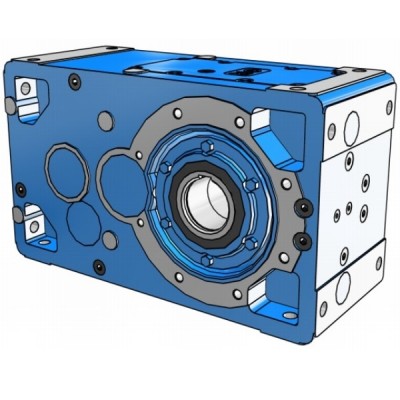
Цилиндрические трехступенчатые редукторы Rossi серии G
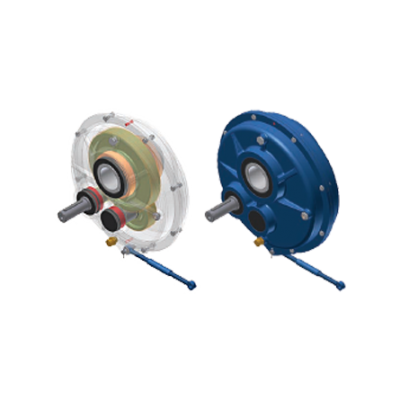
Редуктор маятниковый TA 40/40/D/31/HS/A
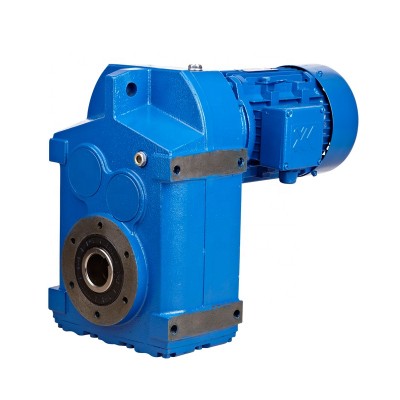
Насадные цилиндрические мотор-редукторы F77 / FA77 / FAF77 / FF77

Соосно-цилиндрические одноступенчатые мотор-редукторы Chiaravalli серии CHC
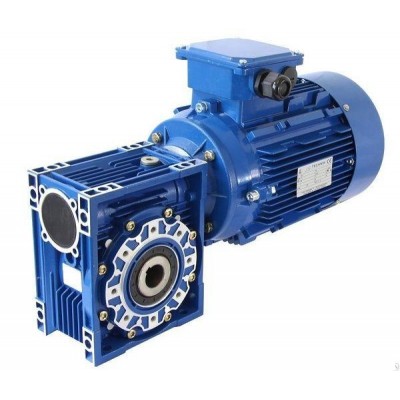
Червячный мотор-редуктор NMRV 110
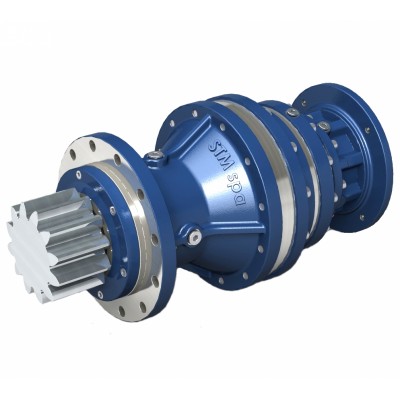
Планетарные трехступенчатые мотор-редукторы STM серии EX/V
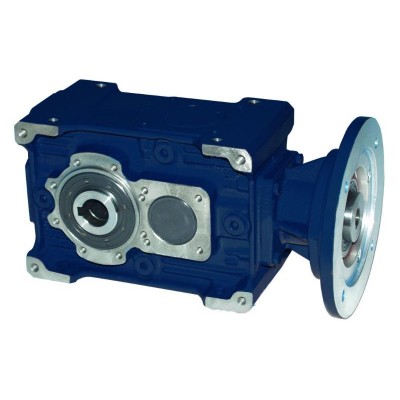
Коническо-цилиндрические универсальные одноступенчатые редукторы STM серии RXO 700